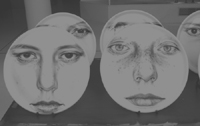
The author has finished the book…
.
Publisher: Great. Now you have to go on the road.
.
Writer: Why?
.
 Publisher: It’s part of the process. You write, we publish, you promote. There’s bookstore signings and some meetings… a women’s group in Stockholm organizing a panel on women who eat men for breakfast or some such… Thursday, flight tomorrow, here’s your ticket. You’ll be met.
.
Writer: What’s my line?
.
Publisher: Talk about your next big thing, an old chap with three sons, that three arrows analogy… How’s it coming?
.
Writer: Getting there. He’s becoming more obsessive about finding his identity, he’s never come to terms with his inner female, his shrink tells him to confront his sons. Drawing on American psychobabble.
.
Publisher: Sounds marketable. Oh, a couple more things. We need blurbs and photos.
.
Writer: Blurbs?
.
Publisher: Get your writing friends to recommend the book. Big names. Celebrities.
.
Writer: I’m not keen on having my photo on the book. Let the words speak for themselves.
.
Publisher: Readers want to see you. They can see who is speaking to them. Someone they can relate to.
.
Writer: But some readers want to imagine what the writer looks like. They want to create their own image.
.
Publisher: Forget them. They’re a minority. We’re in the visual age. A good PR photo helps sales. We’ll see to it.
___________
Voice-over
Starting out writers may be not be aware just how much other stuff will interrupt their writing. Even if a book generates sales, royalties and residuals, it’s still just the script. Once it’s written, find a producer (publisher), generate publicity (do the PR), hire actors (the author and booksellers), rent a theater (signing venues and conferences), follow up (manage social media). A book is just part of a production.
...


